Image
Low vision is a loss of eyesight that cannot be sufficiently improved with conventional glasses, contact lenses, medical treatments, or surgical interventions.1 Approximately 1.5 Canadians report having vision loss.2 Two thirds are between ages 25-64 – in the core working age population.3
Vision loss can have a substantial impact on quality of life and on an employee’s ability to work and function independently. A person with low vision may have trouble with everyday tasks, such as reading, driving, watching television, or recognizing faces.
A robust group vision care plan is one of the most efficient ways to detect eye disease early and help prevent progression to low vision. Vision care plans should include:
Disorders that affect the eye and the visual system can cause low vision, such as birth defects, eye injuries, eye diseases and systemic diseases. Common conditions that put a person at risk of developing low vision include diabetes, age-related macular degeneration, cataracts and glaucoma.
Although low vision cannot be cured, vision rehabilitation and assistive technologies can greatly improve independence and daily functioning. The aim of low vision treatment is to maximize the use of the individual’s remaining vision and allow them to do their daily activities. Visual aids can help at home and in the workplace:
These are just some of the assistive devices. In more advanced cases of low vision, referrals to an optometrist who specializes in providing low vision services, an ophthalmologist, or other healthcare providers may be considered.
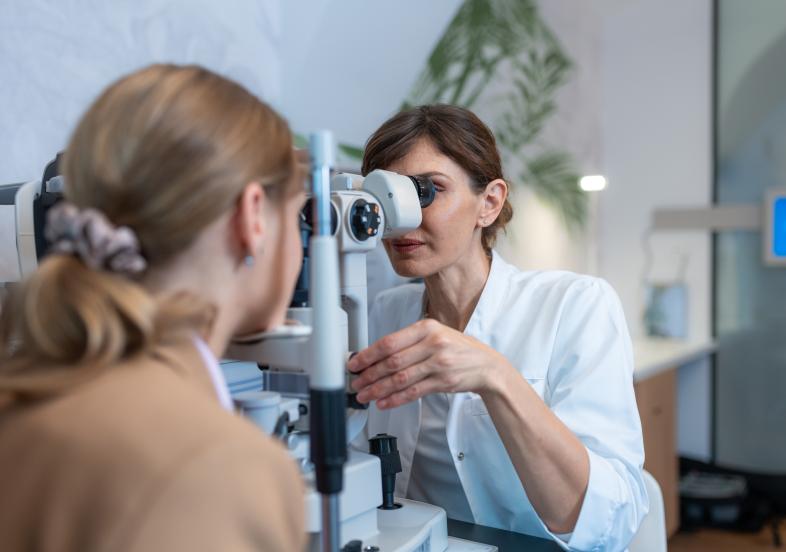
Eye exams are essential for the early detection and management of eye diseases that can lead to low vision. When diagnosed and treated early, they can often be well managed, helping to keep those who are in the working age population at work and productive.
For more on how the vision care services optometrists provide, contact the Canadian Association of Optometrists at info@opto.ca.
References