Image
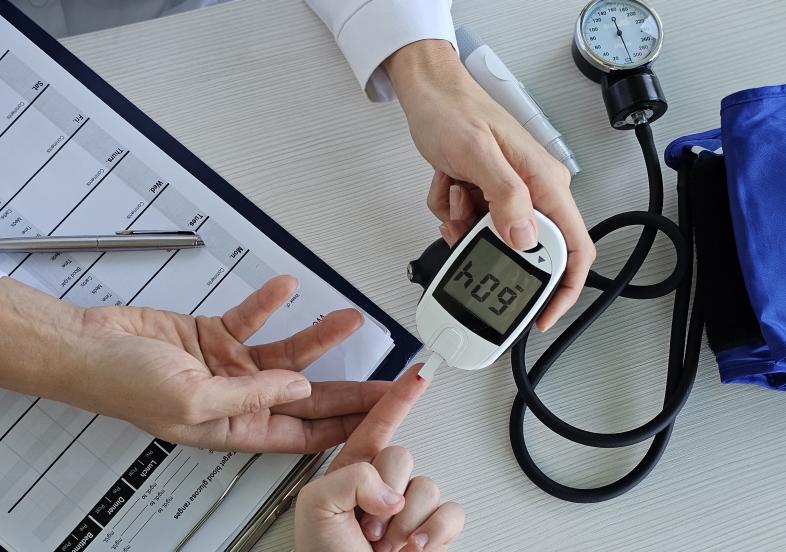
More than five million Canadians are living with diabetes. Every three minutes, another Canadian receives a diabetes diagnosis and type 2 diabetes makes up 90% of cases. People with diabetes are 25 times more likely to become blind than the general population. The high glucose levels present in those with diabetes can damage the body’s small blood vessels, including those supplying the eyes, kidneys, and heart. Without proper management, diabetes can lead to a shortened lifespan by up to 15 years and is the leading cause of vision loss in working-age adults in Canada.
Poorly managed diabetes increases the risk of serious eye diseases like macular degeneration, glaucoma and diabetic retinopathy. These diseases often have no symptoms in their early stages, but early diagnosis and treatment can slow the progress of disease.
Regular eye examinations are important even without a diagnosis. Twenty percent of people with diabetes had diabetic retinopathy before they were even diagnosed with diabetes2, underscoring the importance of routine eye examinations in early detection.
The Cost of Poorly Managed Diabetes
Between 2008 and 2019, the national cost of diabetes doubled, reaching $30 billion per year1. Direct costs include medications, specialty visits, continuous glucose monitors, mental health supports, and lifestyle counseling. Indirect costs include absenteeism, disability, and reduced productivity, all of which add an enormous additional burden.
Serious, chronic complications of diabetes are the primary driver of increased costs and are far more expensive to treat than well-managed diabetes. Managing diabetes-related eye disease often requires more frequent monitoring, specialists’ visits and treatments, but without the management of disease, the cost of vision loss will be even higher.
Many Canadians still face barriers to access to appropriate vision care due to inadequate coverage and high out of pocket costs. Recommendations for private vision benefits plans include coverage for Optical Coherence Tomography (OCT) and widefield retinal imaging. With these tests, diabetes and its visual consequences are detected earlier. This leads to reduced costs of late stage treatment and management.
Early detection saves sight, saves money, and saves lives.
References